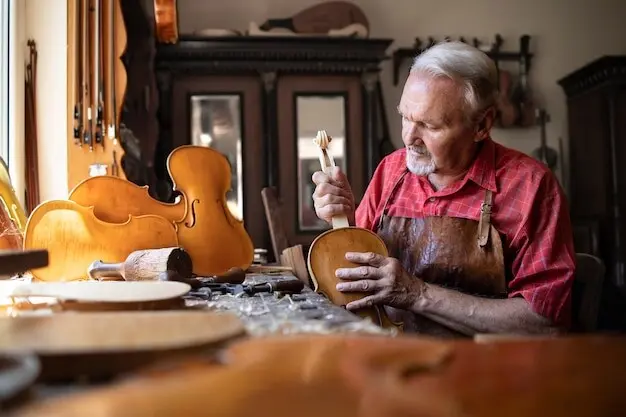
Meet the Makers of the Alps

Step into sunlit valleys and snow-shadowed workshops where skill is tempered by altitude and time. Today we journey through Meet the Makers: Alpine Artisans, Workshops, and Hands-On Classes, celebrating hands that carve, spin, forge, and teach. Expect practical guidance for visiting studios, enrolling in classes, and bringing a piece of mountain craft home, along with stories that smell of resin, hot iron, sheep’s wool, and pine tea, inviting you to learn with curiosity and return inspired.

A Morning in a Stone Workshop

Imagine a mason warming fingers beside a small iron stove while fog dissolves outside. He traces lichen patterns on granite, then cuts along the grain the mountain left. Visitors learn to read the stone’s mood, practice safe hammer angles, and leave with fingertips dusty, ears tuned to resonant taps that become measured breathing, understanding that pace and humility open more doors than bravado ever could.

Wool Spun With Snowmelt

At a hillside farm, fleeces are washed in meltwater that runs clear and shockingly cold, tightening fibers before dyeing. The spinner counts by heartbeats, not minutes, coaxing consistent twist. Guests discover posture tricks, spindle balance, and color nuances born from alpine herbs, leaving with yarn that whispers wind and bells, and with notes that help practice continue long after mountains shrink in the rearview.

Forging Beside a Glacier

In a timber shed, a blacksmith cools steel in snow-packed troughs, testing temper by dawn light. You learn to square stock, control hammer rebound, and treat sparks as language. The rhythm becomes communal, and simple hooks feel heroic when shaped between creak of ice and the stubborn cheer of embers, proving that attention and repetition are companions worth keeping on every future project.

Materials Shaped by Weather and Time

Wood, wool, stone, and metal respond to seasons more than schedules. Larch twists after storms; wool relaxes in summer shade; stone dries slower than a promise; iron moves like bread dough in heat. Makers share tricks learned from avalanches, goats, and stubborn roofs, turning volatility into durable, beautiful, functional objects, while guiding newcomers to respect constraints that ultimately become creative partners rather than frustrating limits.

Larch That Remembers Storms

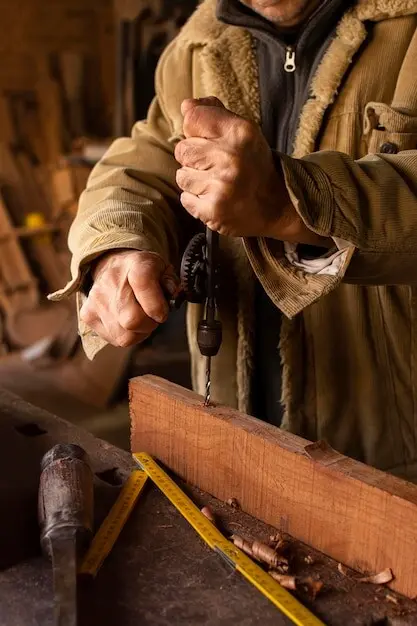
Carvers love larch for its resin glow and muscular grain, yet it punishes impatience. In class, you map knots like constellations, sharpen for push not pry, and plane with the uphill side leading. The board tells you past winds; you answer by orienting joints that forgive future weather, gaining intuition that follows you home to benches far from alpine passes and cliffside echoes.

Granite With a Story

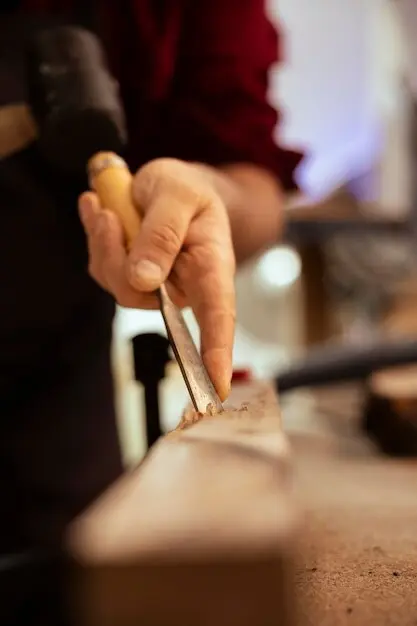
Each speckled block carries pressure from millennia, and your chisel must acknowledge that history. In workshops, artisans demonstrate feather-and-wedge techniques, show how water reveals microfractures, and explain why polishing happens after a night of rest. Participants slow down, respect edges, and finish with surfaces that keep mountain light, discovering that patience polishes character as surely as it refines stone.

Workshops You Can Join

From brief drop-ins between trains to multi-day immersions above tree line, opportunities welcome curious hands at every level. Instructors balance safety with freedom, translate complex motions into metaphors, and celebrate mistakes as learning. You return with techniques that stick because they were earned in air thin and bright, supported by friendships that begin over tea, shavings, and the generosity of shared benches.
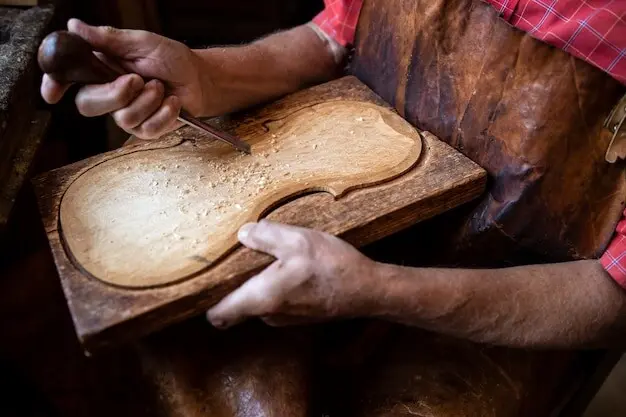
Short on time? This session teaches safe grips, grain reading, and the grace of stopping before overworking. You leave with a spoon that remembers your palm, plus habits for sharpening on the road, packing a kit, and practicing carved curves in a campsite’s fading gold light, while noting simple drills that keep progress steady between distant visits.
A gentle afternoon class pairs trail rhythm with shuttle rhythm. Your legs still hum from switchbacks while patterns settle into patience. The teacher introduces selvedge care, weft tension, and color sequencing. You weave a small mat, learn to fix snags, and carry home quiet confidence wrapped in wool, alongside tips for setting up a tiny loom near any window.
Under steady guidance, you light the coal, learn airflow control, and watch steel brighten through controlled stages. Emphasis stays on body position, tool paths, and cooling discipline. The blade may be simple, yet your awareness becomes refined, leaving you proud, unhurt, and eager for deeper practice, with checklists that make solo sessions calm rather than risky.

Journeys to the Makers

Finding artisans often means following church bells, market days, or a handwritten note at a trail junction. Travel becomes slower and friendlier. You learn to call ahead, respect off-days, bring cash for small villages, and arrive with patience, humility, and snacks to share when introductions stretch into stories, transforming logistics into moments of connection that outlast souvenirs.

Finding Hidden Studios Without Losing the View

Maps help, but locals help more. Ask at bakeries, listen at bus stops, and photograph waypoints before fog surprises you. Many workshops sit behind barns or beside chapels. Keep respect for private paths, greet dogs kindly, and remember the landscape itself is the first doorway to any conversation, often unlocking invitations a search engine cannot find.

Travel Light, Learn Deep

Carrying fewer items keeps shoulders fresh for effort at the bench. Pack layers that tolerate sawdust and wool oil, a notebook, pencils, and a small gift from home. Your attention becomes the heaviest tool, and gratitude the most reliable currency across accents, altitudes, and occasional weather delays, allowing learning to expand into generous, unhurried conversations.

When Language Is Hands, Not Words

Gestures carry more meaning than you expect. Mimic motions, show respectful curiosity, and offer to sweep or stack wood when explanations stumble. Shared tasks bridge vocabulary gaps. Laughter, tea, and a well-timed nod build trust, allowing technique to flow openly long before grammar catches up with generosity, keeping both sides eager to continue meeting and making.

Repair Before Replace

You learn to tighten a vise with a wooden wedge, restitch a cracked sheath, and resharpen a nicked blade instead of ordering new. The lesson extends to patience, budgets, and ecology, proving that care is a skill as satisfying as any dramatic transformation, and that stewardship is an art practiced one thoughtful decision at a time.

Solar Kilns and Snow-Cooled Rooms

Some woodworkers dry boards in clear-roofed sheds, tracking humidity with chalk marks and patience. Cheesemakers chill spaces using packed snow, teaching heat thrift to visiting potters who fire with restraint. You witness resourcefulness that turns climate into a collaborator, saving energy while nudging craft toward steadier, quieter rhythms, aligning process with seasons rather than fighting them.

Passing Skills to Mountain Kids

Weekend programs invite children to whittle, card wool, and set nails straight, building confidence beyond screens. Elders tell avalanche tales as safety lessons; teenagers teach Instagram framing. Shared pride grows, and villages keep knowledge alive, not trapped in glass, but cycling through capable hands that will shape tomorrow, ensuring crafts remain livelihoods, not museum captions.

From Workshop to Home

After mountain lessons, the real test happens at your table. You translate altitude wisdom into apartment routines, choose quiet practice windows, and forgive uneven first attempts. With guidance from makers, you plan small projects, share progress online, and build a circle that keeps momentum warm between future visits, inviting comments, questions, and collaborations that brighten long weeks between journeys.

Start a Mini Alpine Bench at Your Table

Using clamps and a sturdy board, you simulate a low working height that favors controlled cuts. Practice knife grips, saw starts, and safe chisel stops. Progress feels humble yet steady, proving that rhythm, not square footage, builds competence, confidence, and a growing gallery of useful, heartfelt objects, each carrying a memory of mountain patience.

Sourcing Ethical Tools and Materials Online

Research retailers who disclose steel origins, wood species legality, and finish ingredients. Ask questions publicly, reward transparency, and share trustworthy links with peers. When budgets are tight, buy fewer, better tools, and maintain them. Your kit becomes a quiet manifesto that supports mountains even from far away, encouraging others to invest with similar care.

Share Your Progress with the Makers

Send photos, write thank-you notes, and tag studios when posting. Many artisans respond with practical tips, corrections, and winter workshop dates. By staying in conversation, you weave mentorship across valleys, encouraging other travelers to learn, support, and meet in person when snows melt and benches reawaken, building a community that keeps craft alive and generous.

Kirasiraravomirapiralento
Privacy Overview

This website uses cookies so that we can provide you with the best user experience possible. Cookie information is stored in your browser and performs functions such as recognising you when you return to our website and helping our team to understand which sections of the website you find most interesting and useful.